
Wednesday, October 7, 2026 / by Janie Alston
Home Appraisal vs. Home Inspection: Understanding the Difference Before You Buy in MD & VA
Introduction
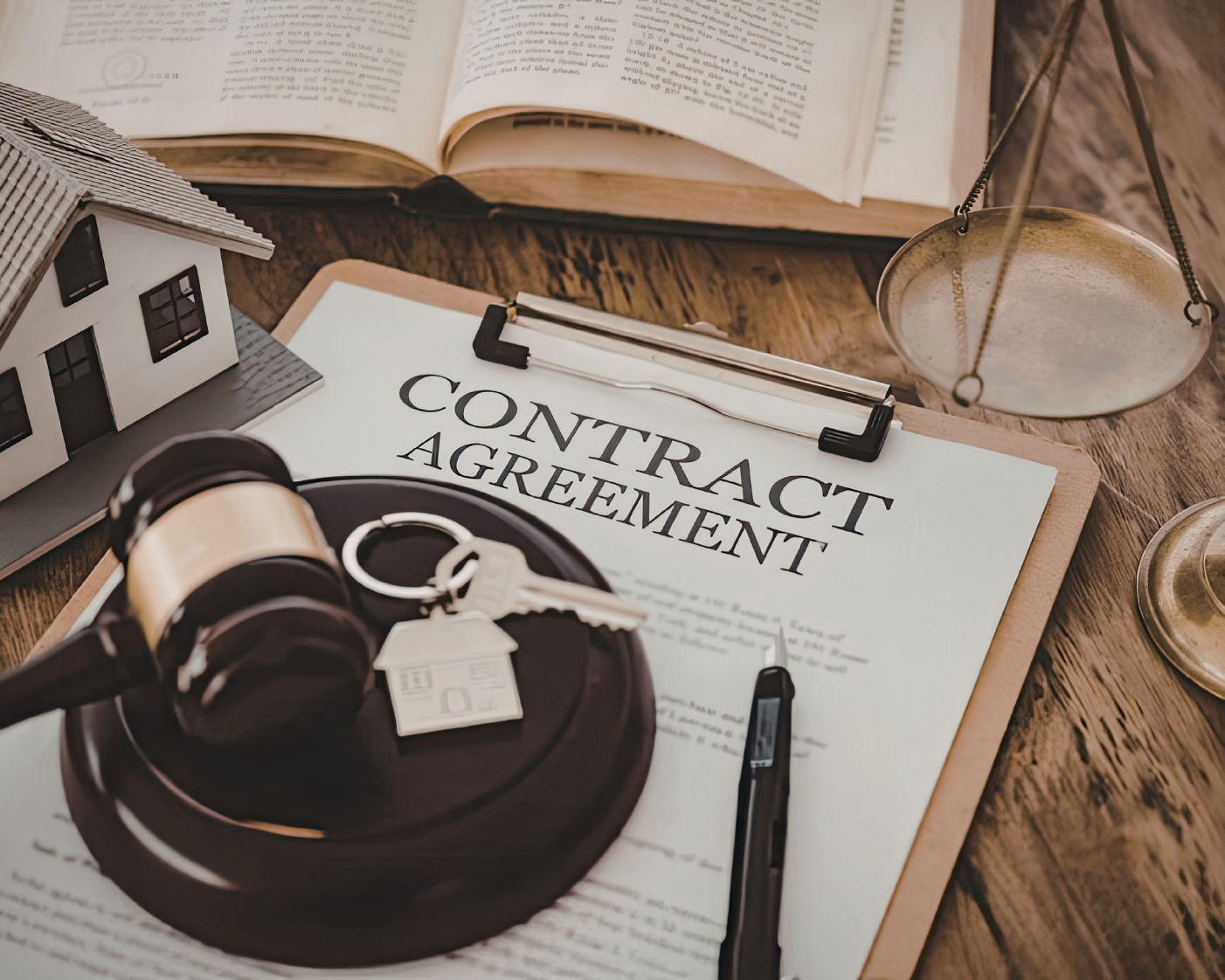
During the homebuying process in Maryland and Virginia, buyers frequently hear the terms "home inspection" and "home appraisal" used back-to-back. Because both steps occur during the contract contingency period and involve a certified professional visiting the property, first-time buyers often assume they serve the exact same purpose.
In reality, an inspection and an appraisal evaluate completely different aspects of a property. While one focuses on the physical condition and safety of the house, the other determines its fair market financial value. Understanding who orders each report, what each professional checks, and how the findings protect your interests keeps your transaction moving smoothly toward closing.
1. The Home Inspection: Evaluating Property Condition
A home inspection focuses entirely on the physical health, safety, and functionality of the building and its primary components.
Who Orders & Pays For It: You, the buyer, select, hire, and pay an independent, licensed home inspector (typically costing between $300 and $500, depending on square footage and location).
What They Examine: The inspector performs an in-depth, top-to-bottom visual check of visible structural and mechanical systems. They test HVAC functionality, examine electrical panels, run plumbing to check for leaks, evaluate the roof, inspect basement moisture barriers, and assess the foundation. In Maryland and Virginia, buyers also commonly add specialized inspections for radon gas, mold, termites, or septic systems.
Who It Protects: The inspection protects you. It provides an unbiased overview of necessary repairs, deferred maintenance, or major structural safety hazards before you finalize your commitment to the purchase.
How It’s Used: Your multi-page inspection report serves as your primary leverage tool to negotiate seller repairs, request financial closing cost credits, or walk away with your earnest money deposit intact if serious defects are discovered.

2. The Home Appraisal: Verifying Fair Market Value
A home appraisal focuses strictly on establishing the official, fair market financial value of the property.
Who Orders & Pays For It: Your mortgage lender selects and orders the appraisal through an independent, state-certified appraiser. The fee (typically $350 to $600) is paid by the buyer as part of upfront loan processing or closing costs.
What They Examine: While the appraiser briefly visits the home to note its layout, square footage, overall condition, and key upgrades, most of their research happens behind the scenes. They analyze recent comparable sales ("comps") of similar nearby homes in the county or neighborhood that have sold within the past 3 to 6 months.
Who It Protects: The appraisal primarily protects the lender to ensure they do not lend more money than the property is actually worth. However, it also protects you from overpaying for a property in a competitive market.
How It’s Used: If the appraiser's value matches or exceeds the contract price, loan underwriting proceeds. If the appraisal comes in lower than the agreed sales price, your real estate agent will help negotiate a price reduction with the seller, request a second review of value, or exercise your contract’s appraisal contingency.

3. Key Differences at a Glance
| Feature | Home Inspection | Home Appraisal |
| Primary Goal | Assess physical condition & safety concerns | Determine fair market financial value |
| Primary Beneficiary | The Buyer | The Mortgage Lender |
| Is It Required? | Optional, but highly recommended | Mandatory for all financed purchases |
| Order of Events | Usually occurs within 7–10 days post-contract | Ordered shortly after inspection contingencies clear |
| Actionable Outcome | Repair requests, seller credits, or termination | Price adjustment, extra down payment, or termination |
4. Navigating Low Appraisals and Inspection Deficiencies
In dynamic markets across Maryland and Northern Virginia, both reports can introduce unexpected hurdles during escrow:
Handling Inspection Findings: Rather than nitpicking minor wear-and-tear items, focus negotiations on health, safety, and major mechanical systems (such as aging roofs, failing HVACs, or outdated electrical components).
Handling Low Appraisals: If the appraisal comes in below purchase price, options include asking the seller to lower the price to match appraised value, splitting the gap, paying the difference out-of-pocket, or canceling the contract under your appraisal contingency without penalty.
Conclusion
Both the home inspection and home appraisal play distinct, essential roles in securing a successful property purchase. One ensures the physical home is safe and sound for your family, while the other ensures the investment makes financial sense for your future equity. Partnering with an experienced local real estate team ensures you navigate both milestones smoothly from offer acceptance to the closing table.