Wednesday, October 28, 2026 / by Janie Alston
Introduction
When preparing to buy a home, most first-time buyers focus heavily on saving for two primary financial milestones: the purchase down payment and standard closing costs. However, as you move through contract acceptance toward key exchange, several secondary out-of-pocket expenses come into play.
While none of these line items should prevent you from achieving homeownership, encountering them unexpectedly during the transaction process can create unnecessary financial friction. Planning for these auxiliary setup, operational, and maintenance expenses in advance ensures a smooth, stress-free transition into your new home.
1. Pre-Closing Operational Costs
Before reaching the settlement table, buyers incur several required third-party fees that are typically paid directly at the time services are rendered rather than rolled into the loan balance:
Professional Specialty Inspections: Beyond a primary home inspection, specific property types may warrant targeted check ...
Read More
Tuesday, October 20, 2026 / by Janie Alston
Introduction
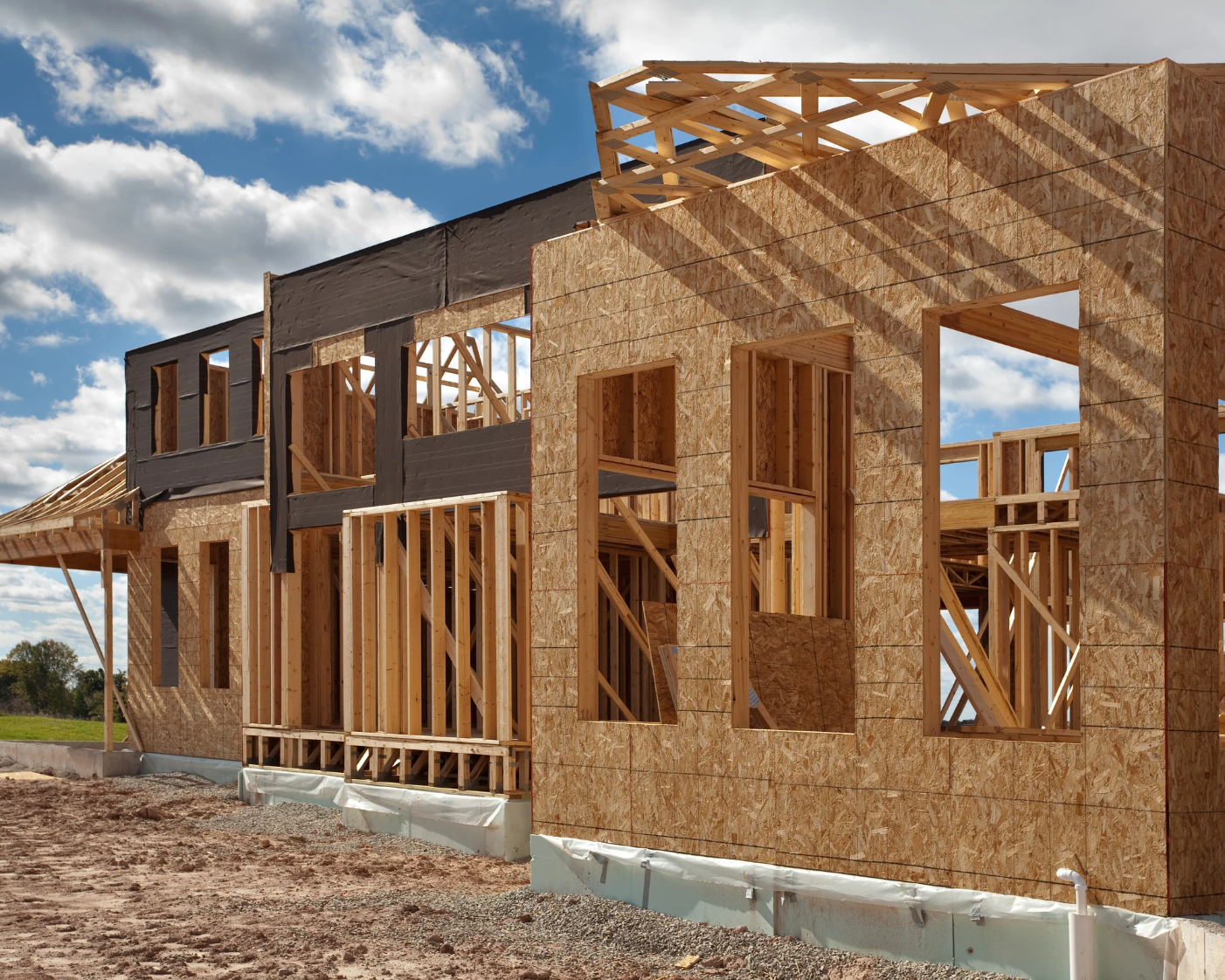
When embarking on your homebuying journey, one of the foundational decisions you will make is choosing between a brand-new construction build and an established resale home. Both options offer distinct lifestyle advantages, financial considerations, and trade-offs.
Understanding how new builds compare to existing homes—from builder warranties and energy efficiency to mature landscaping and move-in timelines—helps you select the property style that aligns best with your budget, lifestyle, and long-term goals.
1. New Construction Builds: Customization, Efficiency, and Modern Amenities
Purchasing a brand-new build offers the unique appeal of being the very first owner to live in the space.
Personalized Finishes: Buying early in the construction phase often allows you to select cabinet finishes, flooring options, countertop materials, and color palettes to suit your taste.
Modern Energy Efficiency: New homes are built to current building cod ...
Read More
Friday, October 16, 2026 / by Janie Alston
Introduction
In today's dynamic real estate landscape, desirable homes in prime neighborhoods often attract interest from multiple qualified buyers. Entering a multi-offer situation can feel intimidating for first-time buyers, but coming out on top is not simply a matter of who submits the highest price tag.
Sellers evaluate the entire terms package—including timeline flexibility, financing strength, and deposit commitments. Implementing strategic offer tactics allows you to present a clean, compelling bid that stands out from the crowd while keeping your financial protections intact.
1. Strengthen Your Financial Credentials Upfront
Before writing an offer, demonstrating ironclad financing reassures sellers that your transaction will move smoothly to the closing table without last-minute delays.
Underwritten Pre-Approval: Go beyond a standard pre-qualification by obtaining a fully underwritten pre-approval letter. This proves to the listing agent that an underwriter has ; ...
Read More
Tuesday, October 13, 2026 / by Janie Alston
Introduction
First impressions are everything in the Maryland and Virginia real estate markets. When browsing listings online or walking through an open house, buyers form an emotional connection with a property within the first few seconds. This is where professional staging becomes a game-changer.
Whether you are a buyer trying to look past existing furniture to see a home's true potential, or a seller looking to command top dollar, understanding the impact of home staging gives you a distinct advantage in today’s market.
1. Why Staging Works: Transforming Space into Emotional Connection
Staging is not simply decorating; it is strategic marketing designed to showcase a property's best features while minimizing its flaws.
Maximizing Perceived Space: Strategic furniture placement makes rooms appear larger, brighter, and more functional.
Highlighting Architectural Features: Staging draws eyes toward key selling points like fireplace focal points, rem ...
Read More
Wednesday, October 7, 2026 / by Janie Alston
Introduction
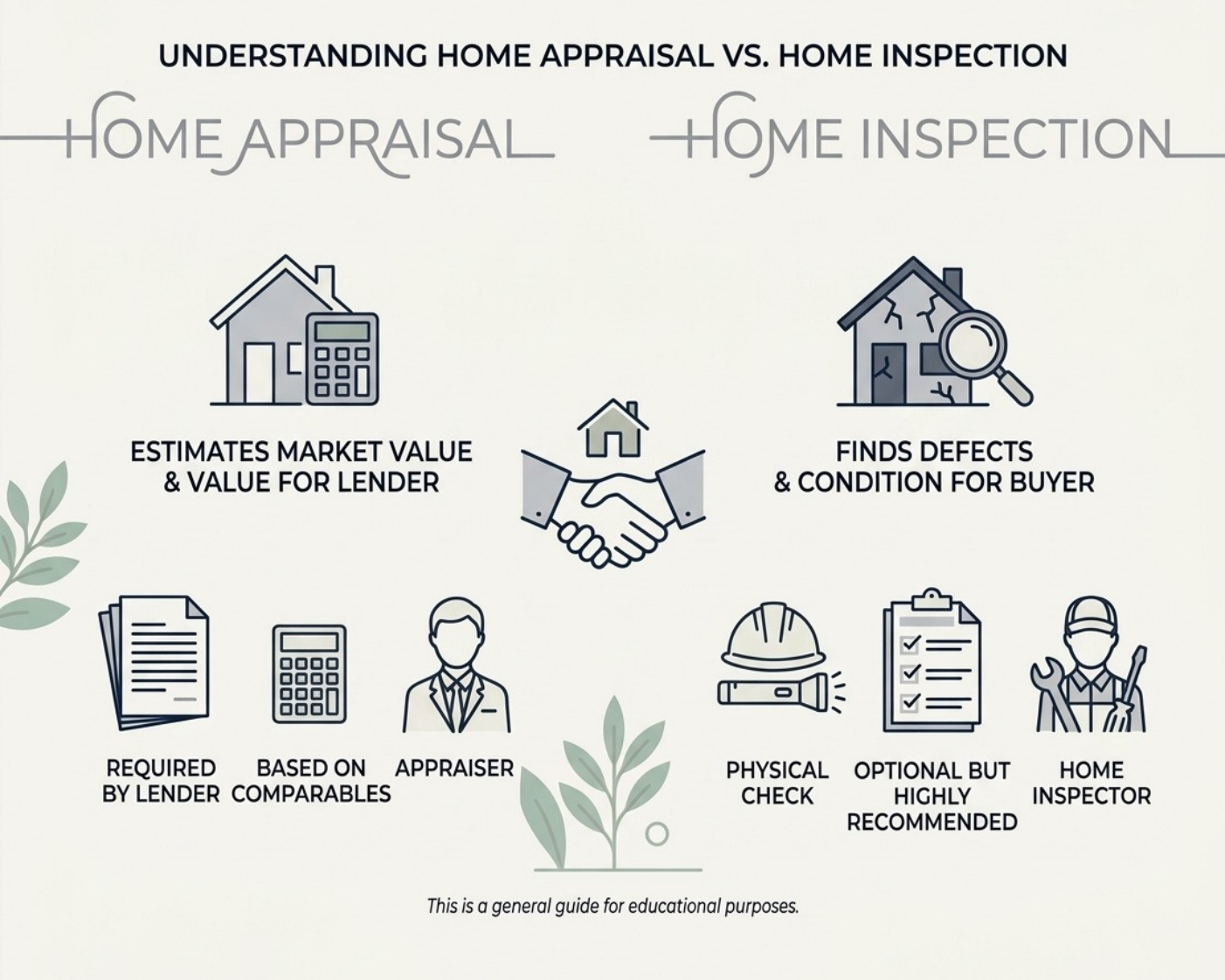
During the homebuying process in Maryland and Virginia, buyers frequently hear the terms "home inspection" and "home appraisal" used back-to-back. Because both steps occur during the contract contingency period and involve a certified professional visiting the property, first-time buyers often assume they serve the exact same purpose.
In reality, an inspection and an appraisal evaluate completely different aspects of a property. While one focuses on the physical condition and safety of the house, the other determines its fair market financial value. Understanding who orders each report, what each professional checks, and how the findings protect your interests keeps your transaction moving smoothly toward closing.
1. The Home Inspection: Evaluating Property Condition
A home inspection focuses entirely on the physical health, safety, and functionality of the building and its primary components.
Who Orders & Pays For It: You, the buyer, select, hire, a ...
Read More